


The Philippine rice market is entering a critical transition period as domestic supply tightens and global market conditions remain firm. While rice prices were relatively stable during the latter part of 2025—supported by the main harvest and government interventions—recent developments now point to sustained upward pressure on prices as the country moves into early 2026.
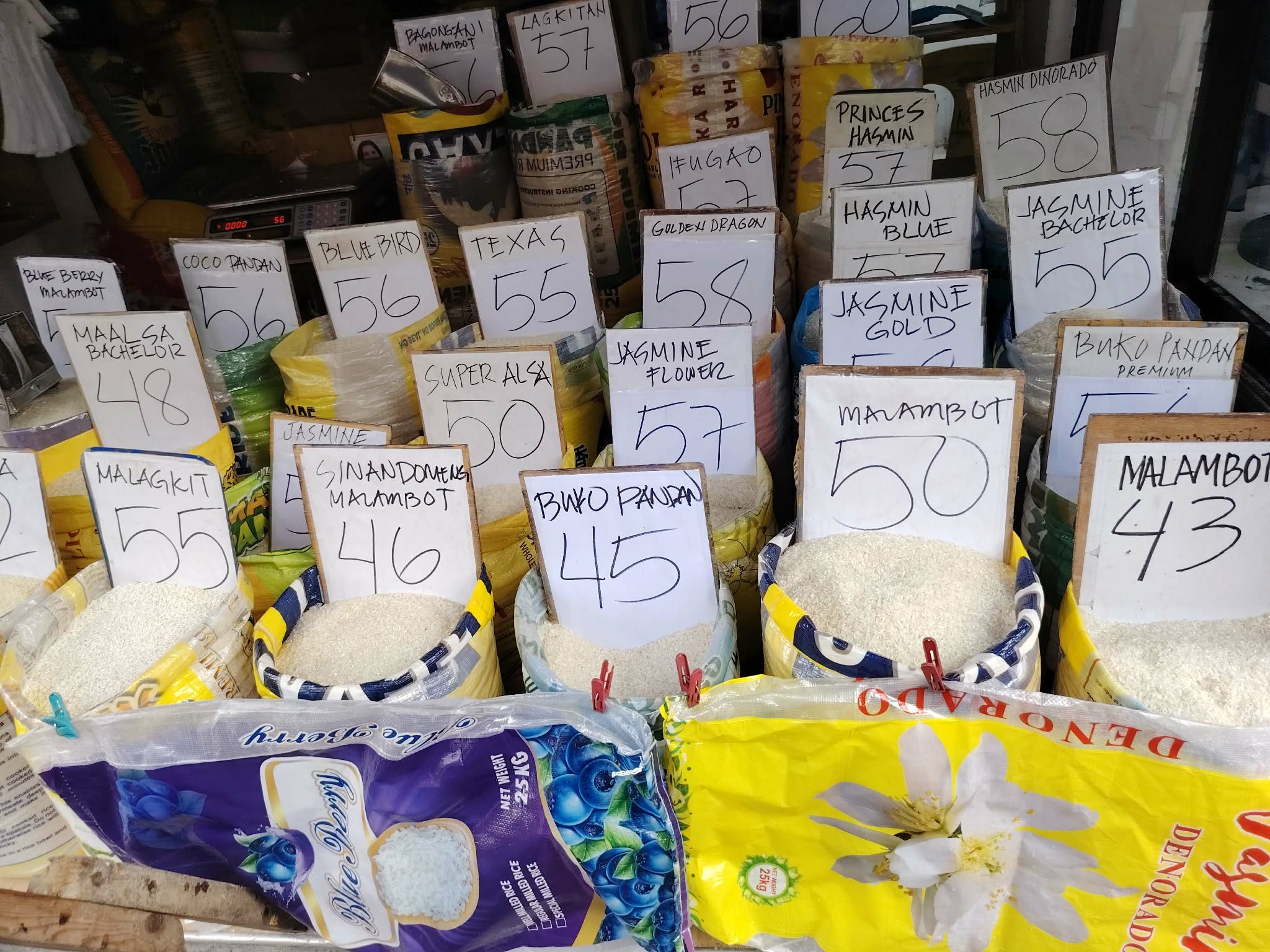
One of the primary domestic drivers is the continued rise in palay buying prices, now reaching approximately ₱26.00 per kilo, reflecting tighter supply availability and increased competition for quality palay as the main harvest season concludes. This development is expected to elevate milling costs and gradually translate into higher wholesale and retail rice prices in the coming weeks.
On the import front, greater clarity has emerged for early 2026. Recent industry briefings and market reports confirm that the Philippine government has set January 2026 rice imports at approximately 450,000 metric tons, subject to a 20% import duty. Import guidelines suggest a diversified sourcing framework, with around 50% allocated to Vietnam and the remaining volumes distributed among India, Thailand, Pakistan, Myanmar, and Cambodia, subject to Sanitary and Phytosanitary (SPS) approvals based on historical importer performance . This announcement has already influenced regional markets, particularly in Vietnam, where prices remain firm ahead of the winter-spring crop cycle.
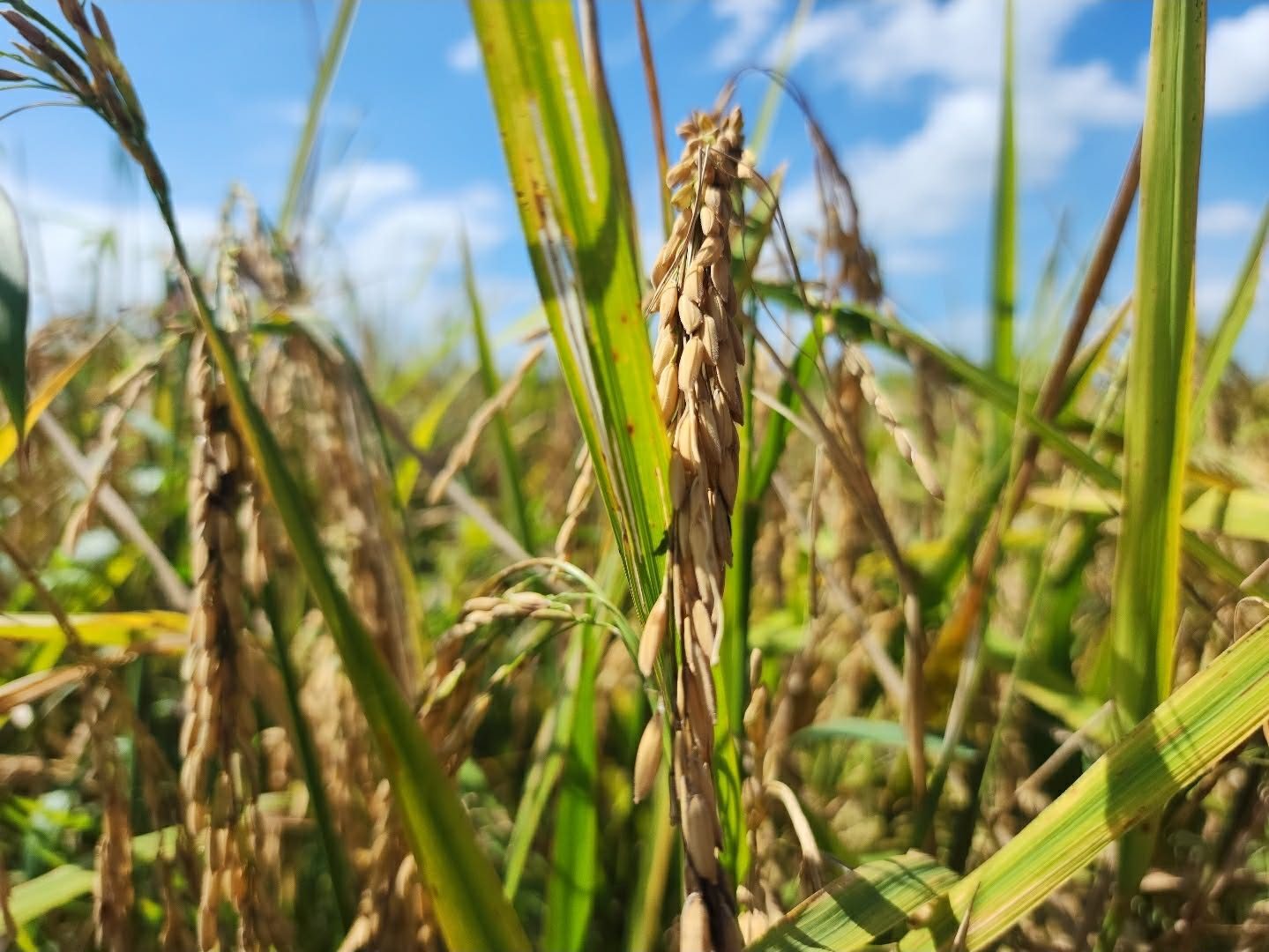
Despite these import plans, rice stock levels are showing signs of tightening. As of early November 2025, national rice inventories were estimated at around 2.55 million metric tons, a level achieved with minimal fourth-quarter imports compared to previous years. Market estimates now suggest that ending stocks for 2025 could decline to approximately 1.5 million metric tons, underscoring the importance of timely and well-managed imports during the first quarter of 2026.
Historical supply-demand patterns indicate that to stabilize prices and protect food security, the Philippines may require 700,000 to 800,000 metric tons of imports during Q1 2026. Any delays in SPS issuance or restrictive implementation of import measures could exacerbate inflationary pressures, particularly as palay prices remain elevated and domestic production enters a seasonal lull.
Global market conditions continue to reinforce upward price risks. International rice prices across Southeast Asia remain bullish, driven by India’s continued absence from discounted Open Market Sale Scheme (OMSS) releases, ongoing procurement activity from Bangladesh at higher CIF prices, and logistical constraints in key exporting countries. These factors, combined with weather-related risks in parts of Asia, are contributing to firmer export prices and cautious buyer behavior .
As the market transitions into early 2026, stakeholders are strongly advised to remain vigilant, closely monitor official policy announcements, and prepare for potential price adjustments and supply tightness. Strategic inventory planning and timely procurement will be essential to navigating the evolving rice market environment in the months ahead.
Sources:
• SS Rice Weekly Market Summary (Nov 28–Dec 5, 2025)
• AgroMonitor – Philippines’ Rice Imports in Early 2026 (Dec 9, 2025)