


Two Non-Government Organization; PRISM and USA Rice Federation sign landmark Memorandum of Understanding to explore two-way rice trade, strengthen food security, and create new international market opportunities for Filipino farmers, rice retailers, and agricultural stakeholders.
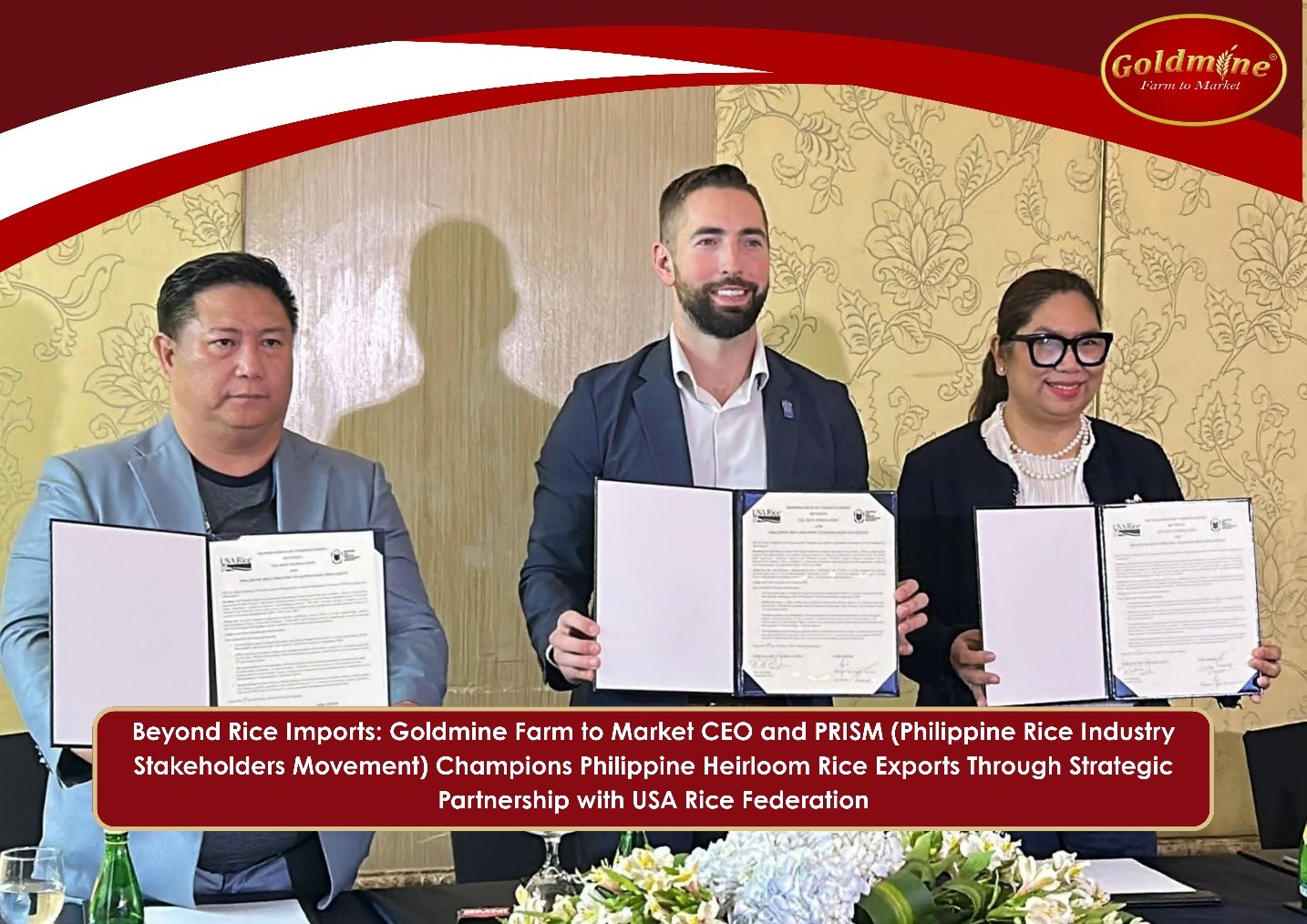
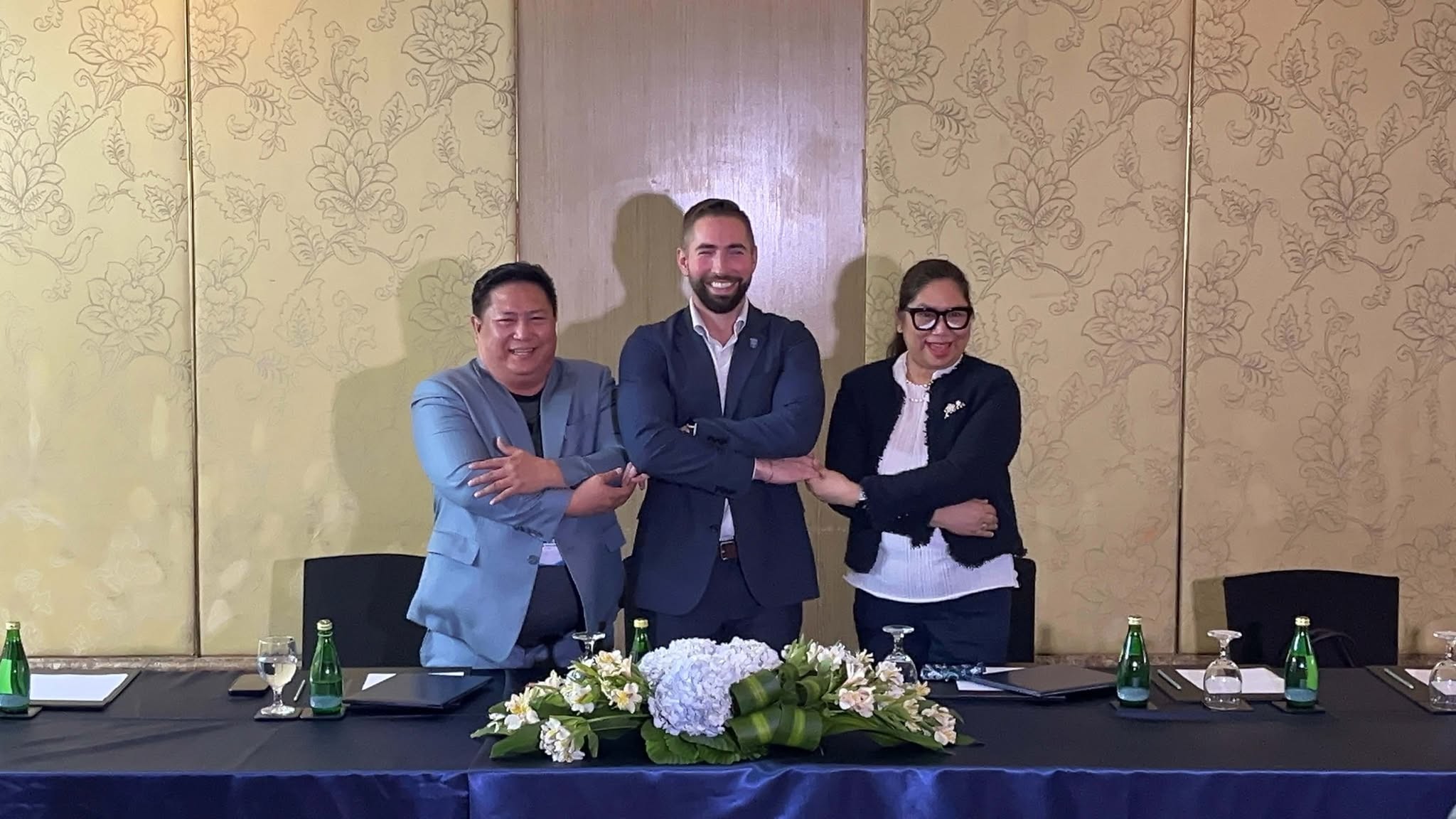
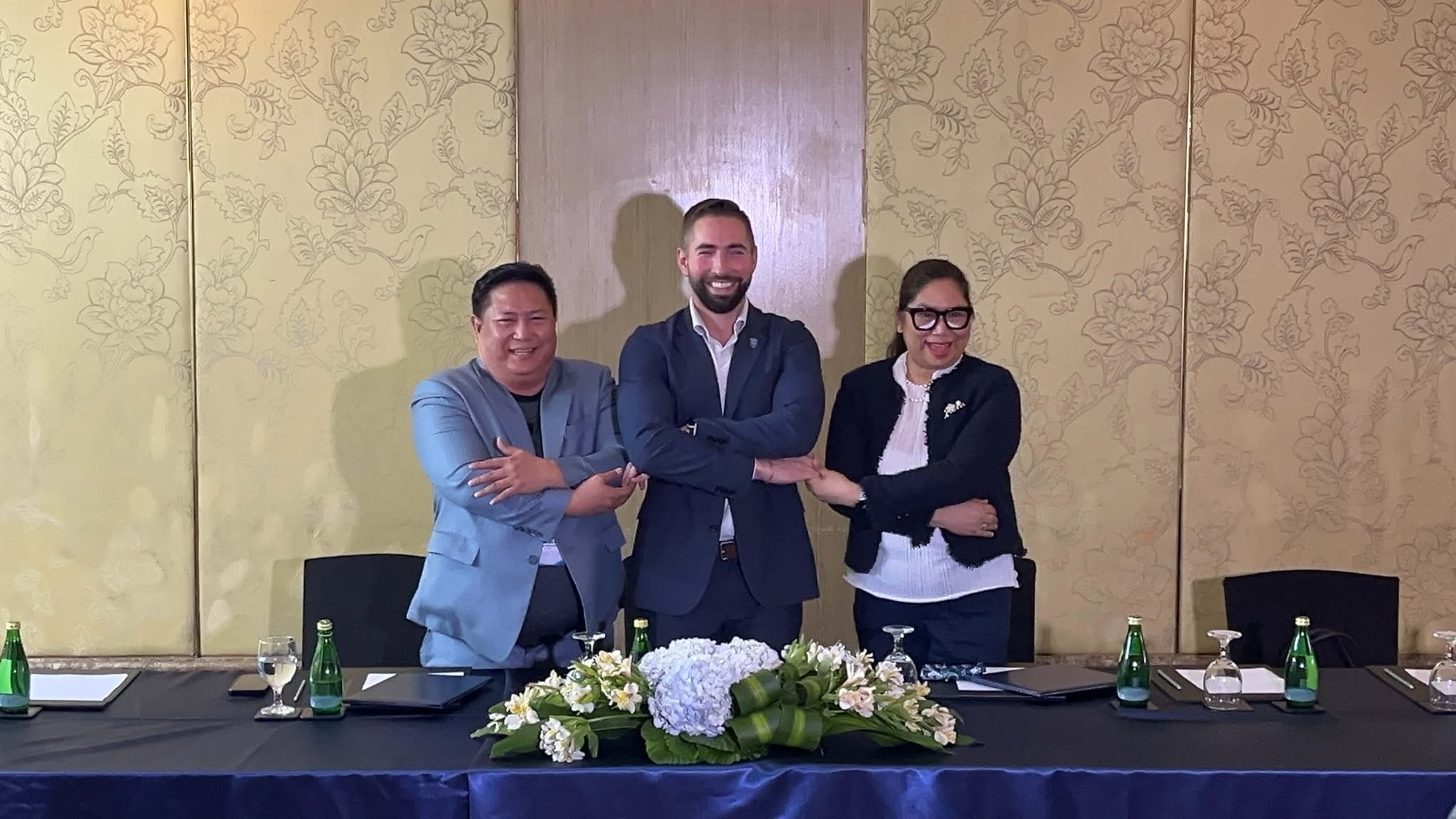
MAKATI CITY, Philippines — October 7, 2026 — In a significant move toward strengthening Philippine–United States agricultural trade cooperation, the Philippine Rice Industry Stakeholders Movement (PRISM) and the USA Rice Federation formally signed a Memorandum of Understanding (MOU) at Dusit Thani Manila, establishing a strategic framework for exploring reciprocal rice trade between the two countries.
The initiative was spearheaded by representatives of both organizations, with the leadership and participation of Orly C. Manuntag, CEO of Goldmine Farm to Market, Co-founder and Rowena Sadicon, lead convenor and co-founder of PRISM.
The agreement introduces a broader vision for Philippine agriculture: one in which the country does not merely depend on imported rice to supplement domestic production but also develops opportunities to export its own premium rice varieties to international markets, particularly the United States.
The USA Rice Federation is a private-sector rice industry trade association operating independently of the United States government. Its cooperation with PRISM reflects an industry-led initiative to explore expanded commercial opportunities while recognizing the importance of applicable government regulations and national agricultural priorities.
At the center of the partnership is a strategic objective: to explore opportunities for American rice imports to be complemented by the export of premium Philippine heirloom rice, creating a more mutually beneficial agricultural trading relationship.
Beyond Import Dependence: Positioning the Philippines as a Premium Rice Exporter
For decades, the Philippine rice industry has faced the continuing challenge of balancing domestic production with the country’s growing consumption requirements.
Rice importation has remained an important mechanism for supplementing local supply, particularly during periods of production shortages and market instability.
However, PRISM’s initiative seeks to broaden the national conversation beyond the question of how much rice the Philippines must import.
Through its partnership with the Non-Government Organization USA Rice Federation, PRISM is advocating an approach that recognizes the Philippines not only as a consumer of internationally traded rice but also as a potential supplier of premium, high-value agricultural products.
Central to this vision are the country’s indigenous heirloom rice varieties, cultivated and preserved for generations by Filipino farming communities.
These varieties offer an opportunity to establish a distinctive Philippine presence in the American specialty rice market.
The objective is not to replace the Philippines’ need for domestic rice production or responsible supply management. Rather, it is to develop an additional economic opportunity that could allow Filipino farmers to participate more meaningfully in international agricultural trade.
The MOU provides a foundation for discussions, market exploration, and potential commercial arrangements. It does not, by itself, guarantee specific export quantities, establish binding purchase contracts, or confirm scheduled shipments.
Philippine Heirloom Rice: An Agricultural Treasure for the American Market
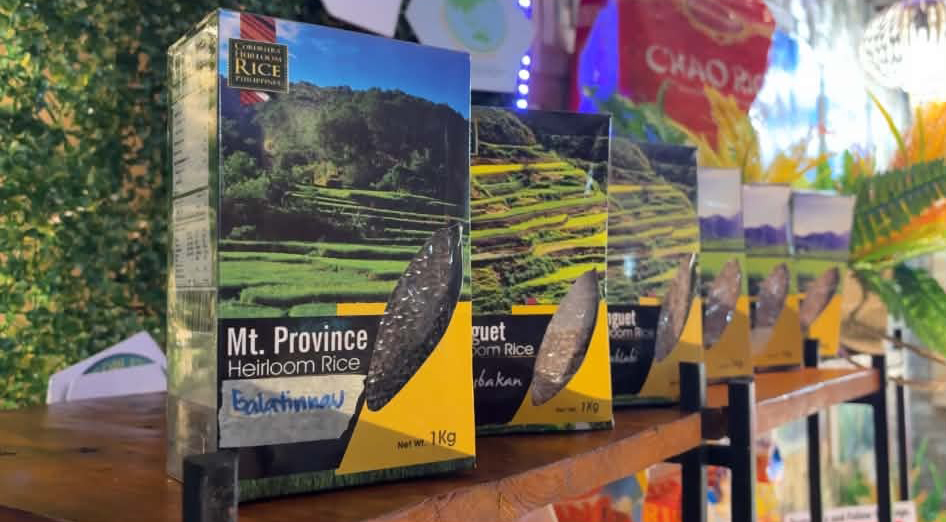
Among the Philippines’ most valuable agricultural resources are its traditional heirloom rice varieties, particularly those cultivated in the Cordillera region of Northern Luzon.
For generations, indigenous farming communities in Ifugao, Kalinga, Mountain Province, and neighboring areas have preserved these rice varieties through traditional agricultural practices and ancestral knowledge.
Notable examples include Tinawon rice from Ifugao, Unoy rice associated with Kalinga, and Balatinaw, a traditional dark-colored rice variety grown in parts of the Cordillera.
These varieties are distinguished by their unique characteristics, including grain color, texture, flavor, and cultural significance.
Unlike ordinary commercial rice, Philippine heirloom rice can be positioned within specialized premium markets that value authenticity, traditional farming practices, biodiversity, and cultural heritage.
The United States presents potential opportunities for these products, particularly among Filipino-American communities, Asian specialty food retailers, restaurants, and consumers interested in distinctive rice varieties.
Developing these markets could help transform heirloom rice from a primarily locally marketed agricultural product into a more internationally recognized Philippine specialty.
Equally important, international promotion can contribute to preserving indigenous rice varieties and sustaining the communities responsible for their cultivation.
The Philippines should not be recognized solely for the rice it imports, but also for the exceptional rice varieties it has the potential to offer the world.
PRISM’s Vision: Advancing a Two-Way Rice Trade Strategy
Through his leadership as CEO of Goldmine Farm to Market and Co-Founder of PRISM, Orly C. Manuntag is helping advance an agricultural trade strategy that seeks to connect international market opportunities with the interests of Filipino farmers, retailers, traders, and distributors.
The PRISM–USA Rice Federation MOU reflects this broader direction by establishing a framework for cooperation between rice industry stakeholders in the Philippines and the United States.
Under the proposed two-way trade approach, the Philippines may explore additional sources of imported rice to support domestic supply requirements while pursuing opportunities to introduce locally produced heirloom rice into the American market.
This strategy recognizes that food security and agricultural export development need not be opposing objectives.
Instead, both can be pursued through responsible trade arrangements, stronger industry coordination, and market development initiatives.
For Manuntag and PRISM, the broader opportunity lies in encouraging a rice industry that is not exclusively dependent on imports but is also capable of creating value from the country’s own agricultural strengths.
By helping establish international industry relationships, the initiative could open pathways for future market access, product development, and commercial partnerships benefiting Philippine rice stakeholders.
Putting Filipino Farmers at the Center of International Trade
A major priority of the proposed cooperation is the potential benefit to Filipino rice farmers, particularly indigenous communities cultivating traditional and heirloom varieties.
Many farmers continue to face rising production costs, unpredictable farmgate prices, limited access to premium markets, and competition from lower-priced imported rice.
For heirloom rice producers, additional challenges include limited production volumes, difficult terrain, transportation expenses, and the need for specialized postharvest handling.
Access to international specialty markets could provide an additional source of demand for their products.
Premium market opportunities may also encourage greater recognition of the labor, expertise, and cultural traditions involved in producing heirloom rice.
However, meaningful benefits will depend on ensuring fair purchasing arrangements, transparent pricing, farmer participation, and commercially sustainable supply agreements.
Export development must also respect the rights, interests, and traditional knowledge of the indigenous communities that have preserved these rice varieties.
The long-term value of this initiative should therefore be measured not only by the potential volume of rice exported but also by its contribution to improved livelihoods and the preservation of Philippine agricultural heritage.
New Opportunities for Rice Retailers, Traders, and Distributors
The PRISM–USA Rice Federation partnership also presents opportunities for rice retailers, wholesalers, traders, millers, consolidators, and distributors.
These stakeholders play an essential role in ensuring that rice reaches Filipino households and that agricultural products move efficiently through the supply chain.
By exploring additional international trading relationships, PRISM seeks to encourage supply diversification and broader commercial opportunities for the industry.
Potential access to American rice products could expand sourcing options for interested Philippine businesses, subject to applicable import regulations and market conditions.
Meanwhile, the development of Philippine heirloom rice exports could create opportunities for local enterprises involved in aggregation, milling, quality assurance, packaging, logistics, and international distribution.
Such activities could strengthen the agricultural value chain and generate additional economic opportunities beyond primary rice production.
The objective is to establish a more inclusive trading environment in which international cooperation benefits multiple participants across the Philippine rice industry.
Strengthening Food Security While Promoting Philippine Agricultural Excellence
The Philippines continues to face significant challenges involving rice production, food security, market stability, and the competitiveness of domestic agriculture.
Adverse weather conditions, agricultural production costs, infrastructure limitations, and changing market conditions can affect local supply.
Rice importation therefore remains an important component of the country’s broader supply management strategy.
However, PRISM’s proposed approach emphasizes that addressing domestic supply requirements should not prevent the Philippines from developing export opportunities for high-value agricultural products.
Ordinary rice imports and premium heirloom rice exports serve different market segments and can be pursued as complementary strategies.
The successful development of this model will require coordination among farmers, private-sector stakeholders, and relevant government agencies.
Future commercial arrangements must also comply with Philippine and US import and export requirements, food safety standards, product documentation, and other applicable regulations.
For heirloom rice exports, maintaining consistent quality, reliable supply, product authenticity, and competitive market positioning will be essential.
The MOU between PRISM and the USA Rice Federation represents an initial framework for pursuing these opportunities, with implementation and commercial outcomes to be determined through subsequent discussions and agreements.
PRISM’s Commitment to a More Competitive Philippine Rice Industry
As the Philippine rice industry navigates the challenges of import dependence, agricultural productivity, and market competition, PRISM continues to pursue initiatives intended to strengthen industry participation and create opportunities for local stakeholders.
Through the leadership of Founder Rowena Sadicon and Co-Founder Orly C. Manuntag, the organization is seeking to promote practical cooperation between Philippine rice stakeholders and international industry partners.
The agreement with the USA Rice Federation reflects an effort to move beyond conventional approaches to rice trading by exploring opportunities on both sides of the agricultural trade relationship.
For Filipino farmers, the initiative offers the prospect of broader market access and greater recognition of Philippine-grown rice.
For retailers and traders, it presents opportunities for supply diversification and participation in expanded commercial networks.
For the Philippine rice industry, it introduces a framework for developing international market relationships while continuing to address domestic food security requirements.
The initiative also brings renewed attention to the need for long-term investments in agricultural productivity, market infrastructure, farmer competitiveness, and the preservation of traditional rice varieties.
A New Chapter in Philippine–US Agricultural Trade
The signing of the Memorandum of Understanding between PRISM and the USA Rice Federation marks a significant step in exploring a broader and more balanced relationship between the rice industries of the Philippines and the United States.
While future trading arrangements will depend on commercial negotiations, regulatory compliance, and market readiness, the agreement establishes a platform for continued cooperation.
More importantly, it introduces a compelling direction for Philippine agriculture: a country that works to strengthen its domestic rice supply while simultaneously promoting its premium indigenous rice varieties to international buyers.
Through this initiative, Goldmine Farm to Market CEO and PRISM Co-Founder Orly C. Manuntag, alongside PRISM Founder Rowena Sadicon and their industry partners, is helping advance a vision in which Philippine agriculture becomes more competitive, inclusive, and internationally connected.
The development of export opportunities for heirloom rice could also bring global attention to the indigenous farming communities whose generations of agricultural knowledge have preserved these remarkable varieties.
Ultimately, the opportunity extends beyond rice trading. It concerns the recognition of Filipino agricultural excellence, the protection of cultural heritage, and the creation of sustainable economic opportunities for the people who produce the nation’s food.
The future of the Philippine rice industry should not be defined solely by how much rice the country imports, but also by the quality, heritage, and value of the rice it can proudly bring to the world.