


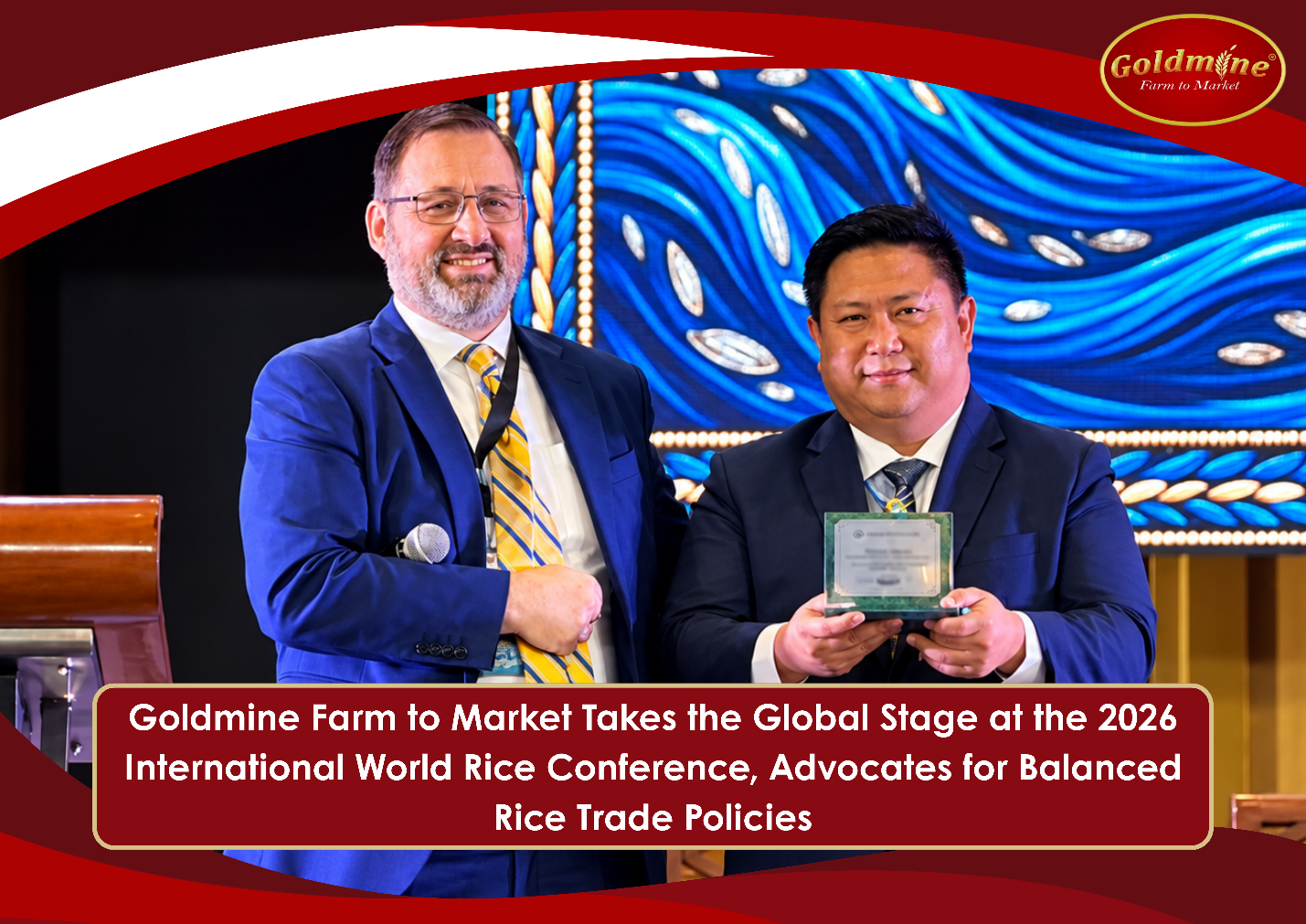
Goldmine Farm to Market Takes the Global Stage at the 2026 International World Rice Conference, Advocates for Balanced Rice Trade Policies
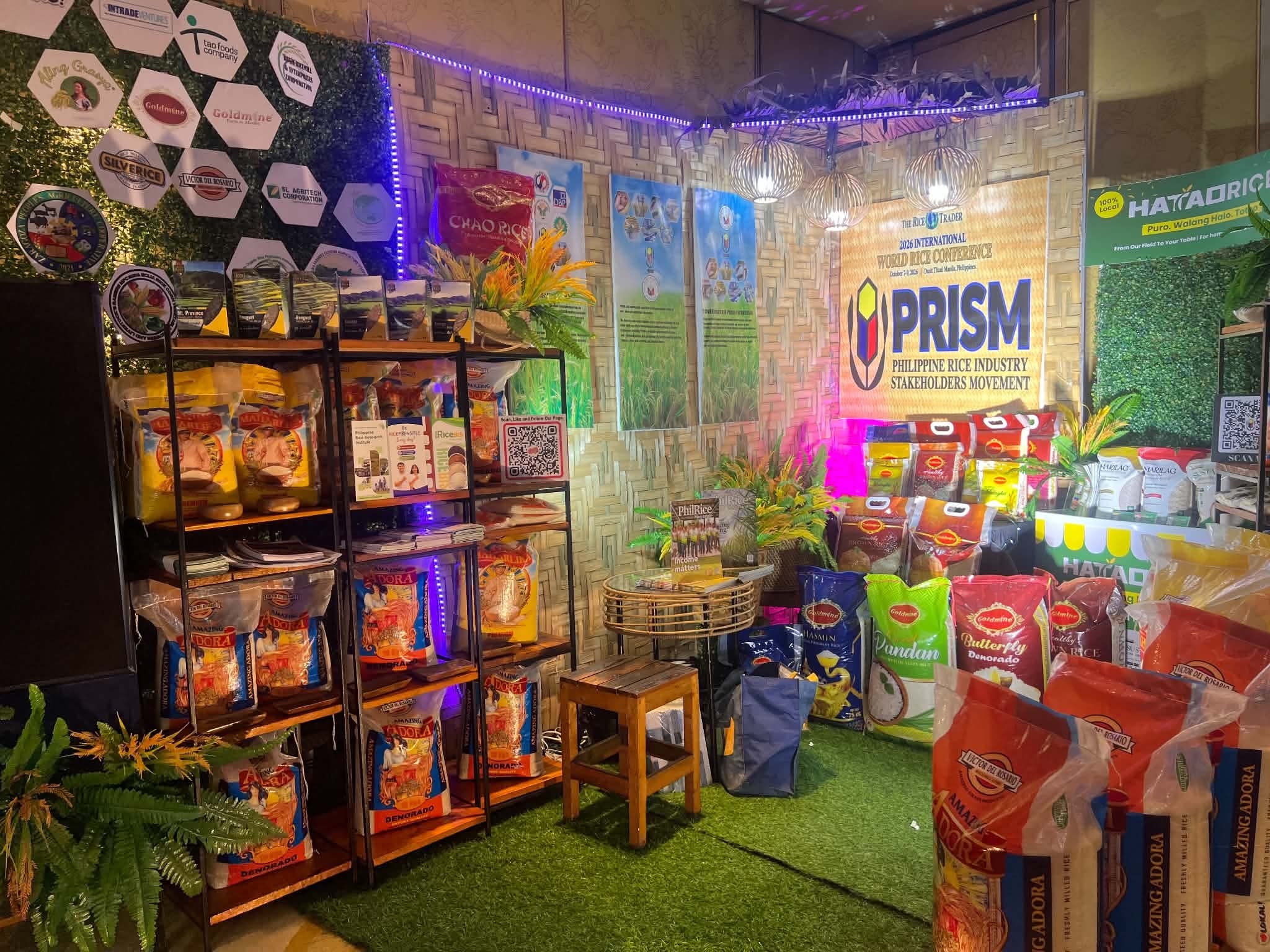
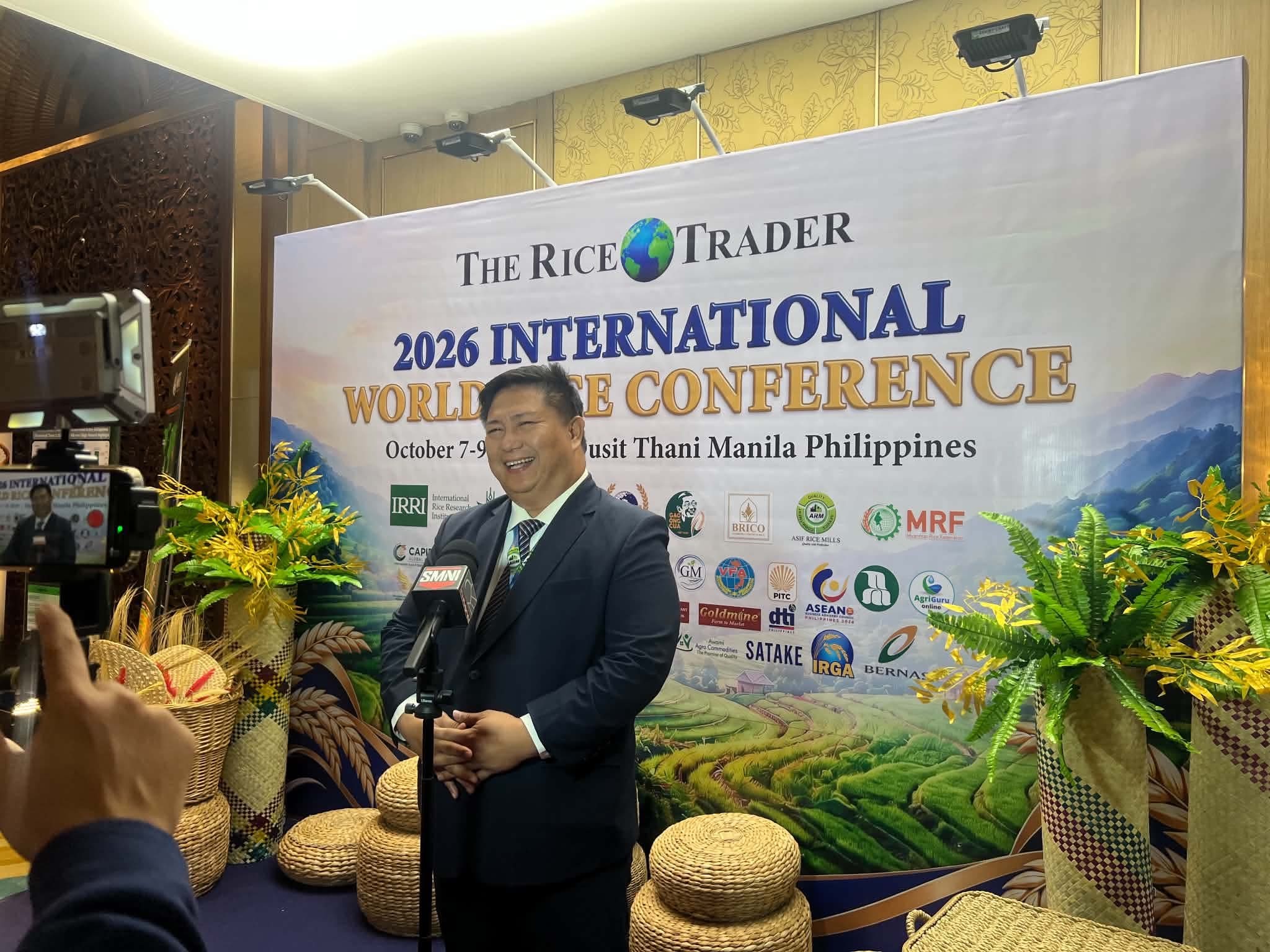
MANILA, PHILIPPINES — October 7–9, 2026 — Goldmine Farm to Market proudly participated in the 2026 International World Rice Conference, held at Dusit Thani Manila Hotel, joining other distinguished Filipino rice brands under the banner of PRISM in showcasing Philippine rice products to the international market.
The prestigious gathering brought together rice industry leaders, importers, exporters, policymakers, and agricultural stakeholders from different countries to exchange insights, discuss emerging challenges, and explore opportunities shaping the future of the global rice industry.
Together with other participating Filipino rice brands, Goldmine Farm to Market showcased its products, highlighting the quality, competitiveness, and potential of Philippine rice enterprises in the international marketplace.
A Filipino Voice in the International Rice Industry
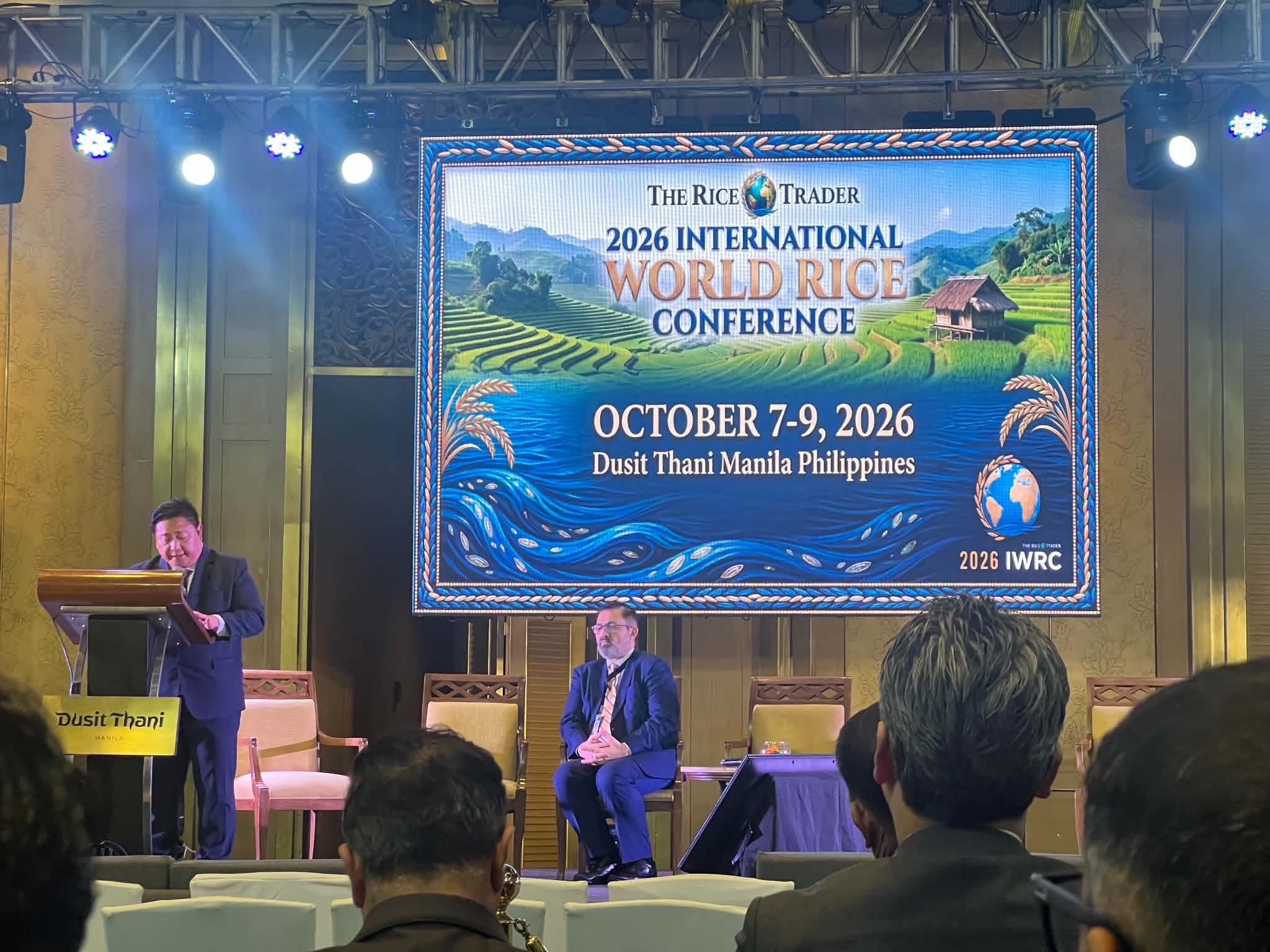
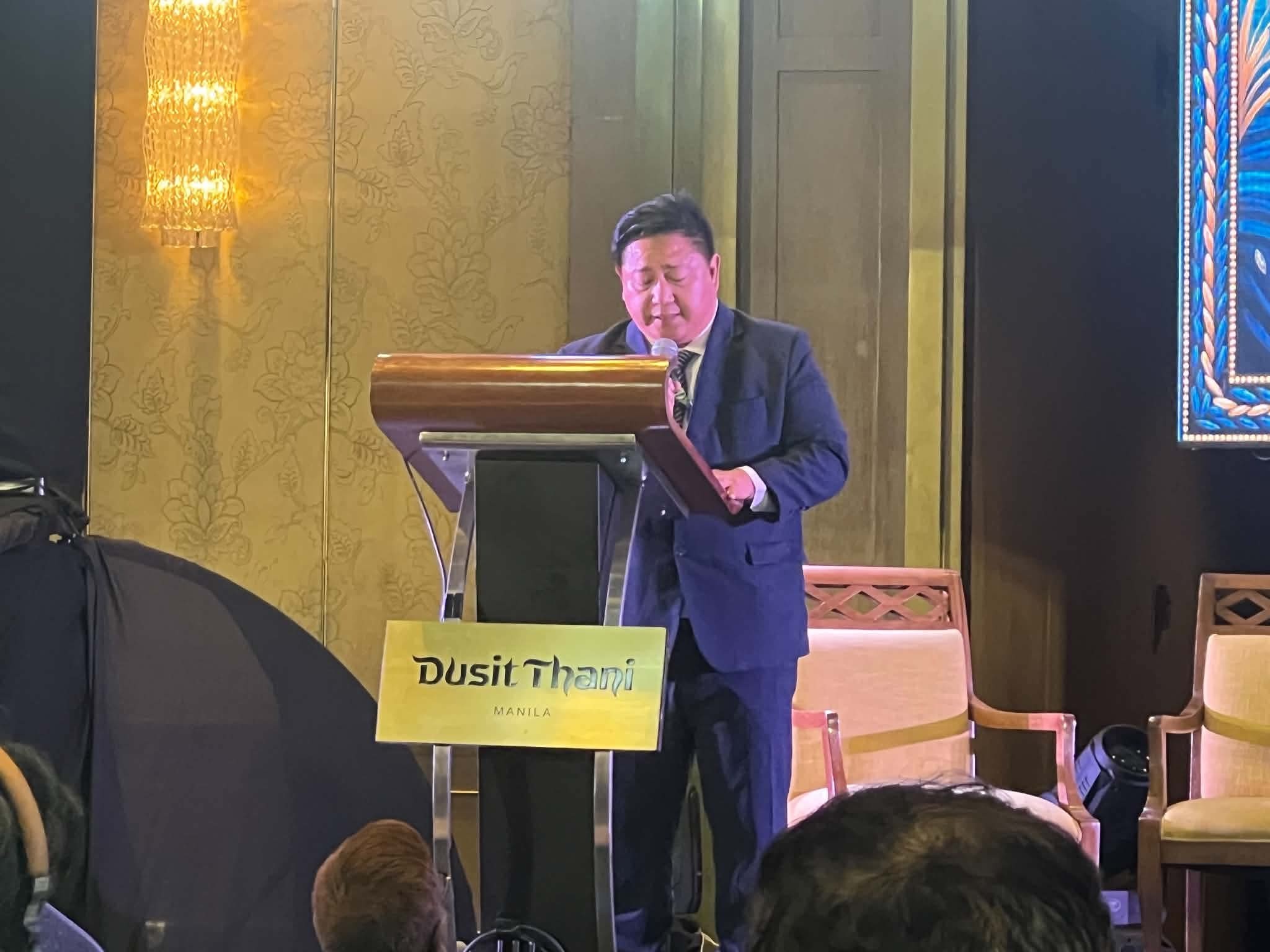
One of the significant highlights of the conference was the participation of Mr. Orlando C. Manuntag, Chief Executive Officer of Goldmine Farm to Market, who represented the Philippine rice industry’s perspective during a discussion on Importers and Policies in South and Southeast Asia.
In his speech, Mr. Manuntag addressed one of the most pressing challenges facing the Philippine rice industry: achieving a sustainable balance between rice importation, the protection of local farmers, consumer affordability, and the stability of legitimate rice businesses.
He discussed the Philippine government’s temporary suspension of rice imports from September to December 2026, emphasizing the importance of carefully managing import volumes and arrival schedules, particularly during the local harvest season.
According to Mr. Manuntag, importation remains an essential component of national food security. However, its effectiveness depends not only on the price of imported rice but also on the timing, quantity, and management of incoming supplies.
He further emphasized that neither unrestricted importation nor permanent import restrictions could independently resolve the country’s rice supply challenges.
Instead, he advocated for a balanced, predictable, and transparent rice trade policy that would protect the interests of all sectors involved.
Protecting the Three Pillars of the Philippine Rice Industry
At the center of Mr. Manuntag’s message was the importance of protecting three essential stakeholders: Filipino farmers, Filipino consumers, and legitimate rice businesses.
First, he emphasized that Filipino farmers must receive fair prices for their palay (rice), allowing them to recover production costs, earn reasonable profits, and sustain their livelihoods.
He stressed that agricultural productivity cannot be improved if farmers continuously face financial losses during harvest seasons.
Second, he highlighted the responsibility to ensure that Filipino consumers have access to safe, nutritious, high-quality, and affordable rice.
For Mr. Manuntag, food security goes beyond maintaining sufficient rice supplies. It also means ensuring that ordinary Filipino families can afford the country’s most essential staple food.
Third, he recognized the crucial contribution of legitimate rice importers, exporters, millers, distributors, and retailers in maintaining a stable national rice supply.
These businesses invest substantial resources in international trade, logistics, warehousing, distribution, and regulatory compliance. As such, they also require a stable and transparent policy environment to operate effectively.
Mr. Manuntag summarized this principle through a powerful message:
“Farmers should not suffer because of importation, consumers should not suffer because of shortages, and legitimate businesses should not suffer because of unpredictable regulations.”
His statement underscored the need for cooperation among government institutions, agricultural producers, and private-sector stakeholders in establishing a more sustainable rice industry.
Five Key Proposals for a Stronger Philippine Rice Industry
Beyond identifying the challenges, Mr. Manuntag presented policy recommendations aimed at strengthening the country’s rice supply system and ensuring long-term agricultural sustainability.
His proposals centered on five important priorities:
- Establishing a nationwide rice supply-and-demand balancing system to improve coordination between domestic production, national consumption, and import requirements.
- Implementing harvest-sensitive import arrival planning to prevent excessive imported rice supplies from entering the market during critical local harvest periods.
- Creating a fair and transparent palay pricing system while aligning rice importation policies with domestic agricultural development.
- Improving Philippine rice productivity to strengthen local production capacity, support farmers, and reduce vulnerabilities in the country’s food supply.
- Ensuring policy stability and fair competition to establish a more predictable business environment for legitimate stakeholders throughout the rice value chain.
These recommendations reflected his vision of a rice industry where importation and domestic production complement one another rather than compete at the expense of Filipino farmers.
He also acknowledged the uncertainty brought by changing climate conditions, including the potential impact of El Niño on future agricultural production, further reinforcing the importance of strategic planning and coordinated government policies.
Strengthening the Philippine Rice Industry Through Collaboration
Mr. Manuntag’s participation in the international discussion demonstrated the importance of giving Filipino industry stakeholders a voice in conversations that influence regional agricultural trade and food security.
His message emphasized that sustainable progress cannot be achieved through isolated policies. Rather, it requires cooperation among government agencies, farmers, traders, and other industry participants.
By advocating for fair pricing, responsible importation, and policy consistency, he highlighted the need for long-term solutions that protect both agricultural livelihoods and national food security.
He concluded his speech with optimism about the future of the Philippine rice industry, expressing his belief that implementing these measures could place the Philippines in a stronger position for the next generation.
Goldmine Farm to Market: Bringing Filipino Excellence Beyond Borders
Goldmine Farm to Market’s participation in the 2026 International World Rice Conference represented more than an opportunity to showcase its products. It also reflected the company’s commitment to contributing to meaningful industry discussions and supporting the continued development of the Philippine rice sector.
Through its involvement under PRISM and the participation of its CEO in an international policy discussion, the company demonstrated its interest in both market development and the broader challenges affecting the rice industry.
The event provided an important platform for strengthening international connections, exchanging industry knowledge, and promoting the potential of Filipino rice brands in the global marketplace.
As Goldmine Farm to Market continues its journey, the company carries forward the vision of an agricultural industry where farmers receive fair compensation, consumers enjoy affordable and quality rice, and legitimate businesses operate within a stable and competitive market.
The company’s presence at the conference serves as a reminder that Filipino rice enterprises have an important role not only in supplying the market but also in contributing to conversations that shape the future of Philippine agriculture.
With the leadership of Mr. Orlando C. Manuntag, Goldmine Farm to Market looks toward a future built on collaboration, responsible trade, agricultural sustainability, and opportunities for the next generation.
Goldmine Farm to Market — Championing Filipino Rice, Empowering Agriculture, and Connecting the Philippines to the World.